
Decoding Gum Disease: Understanding Aggressive Periodontitis and Its Impact

"A deep dive into the clinical and microbiological factors behind generalized aggressive periodontitis and how it affects young adults."
Periodontitis, commonly known as gum disease, is characterized by inflammation and the breakdown of tissues supporting the teeth. This condition arises from an imbalance between subgingival microorganisms and the host's immune response. The two main types of periodontitis are chronic and aggressive, with aggressive periodontitis (PAg) being less prevalent but posing a significant risk.
Aggressive periodontitis (PAg) is notable for its rapid progression and marked loss of attachment, often leading to early tooth loss and significant alveolar damage. Understanding this condition is crucial because, despite its lower occurrence, its impact on oral health can be severe.
PAg is defined by its rapid advancement, primarily affecting young, systemically healthy individuals. Clinically, it's classified as localized when it affects first molars and incisors, or generalized when it involves at least three permanent teeth beyond these. A key clinical feature is the severe periodontal destruction relative to the amount of bacterial deposits.
The Hidden Toll of an Uncommon Disease
Periodontal disease ranks among the most common chronic conditions in dentistry, with periodontitis reported to drive 70% of adult tooth loss worldwide and linked to a 2.7x higher risk of oral cancer and a 2.1x higher risk of cardiovascular disease. Aggressive periodontitis, an uncommon form, is marked by severe attachment loss and destruction of alveolar bone around one or more permanent teeth, typically surfacing during pubescence, and it exists in localized and generalized forms. Sources further describe it as showing a discrepancy between clinical symptoms and radiological findings, which complicates its recognition. In comparative analyses, chronic periodontitis patients exhibited poorer oral hygiene and a higher range of probing depth (over 4 mm) than aggressive periodontitis patients.
From 1999 Classification to Staging and Grading
The conventional framework defined aggressive periodontitis under the 1999 Classification system, which recognized two types — localized aggressive periodontitis (LAP) and generalized aggressive periodontitis (GAP) — with rapid periodontal attachment loss in young individuals as a hallmark. The newer staging and grading framework proposed for periodontitis replaced the aggressive-versus-chronic dichotomy with grade A, grade B, and grade C categories, integrating clinical attachment loss, biomarkers, furcation involvement, and infrabony defects into case definition. Professional presentations also detail distinct microbial profiles and host responses for LAP and GAP, along with potential therapeutic interventions. A limitation of these evolving systems is that no single framework fully captures the heterogeneity of disease presentation.
A Disease Renamed Through the Decades
Aggressive periodontitis was historically recognized through its distinctive presentation of rapid attachment loss and bone destruction in otherwise healthy young patients whose medical histories were non-contributory. Comprehensive overviews trace its history, epidemiology, and changing classification, showing how definitions shifted across successive consensus conferences. Recent scholarship, notably the paper 'A Rose by Any Other Name,' argues that localized aggressive periodontitis — recently reclassified as Stage III Grade C Periodontitis — is a unique disease that deserves its own classification as a distinct form of periodontitis. The same work emphasizes how evolving views of microbiome consortia and diagnostic frameworks have shaped understanding of this subtype.
Clinical and Microbiological Characteristics of Aggressive Periodontitis
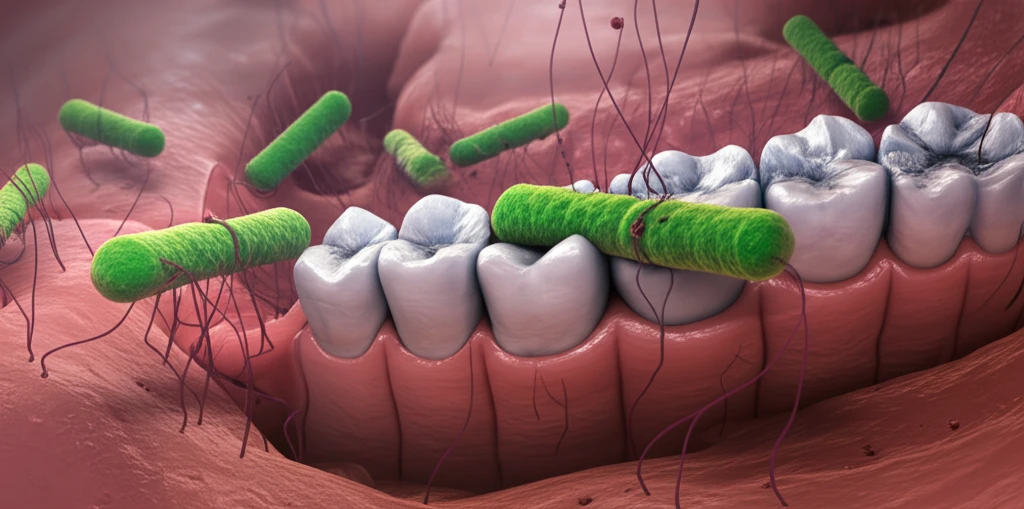
A recent study delved into the clinical and microbiological characteristics of patients diagnosed with generalized aggressive periodontitis (PAgG). Conducted at the dental clinics of the University of Antioquia in Medellín, Colombia, the cross-sectional study involved 20 participants under 30 years of age. Microbiological samples were analyzed using culture techniques, taken from the deepest sites (≥ 5mm) in each patient's mouth.
- Large proportions of Prevotella spp and F. nucleatum.
- Porphyromonas gingivalis found in half the participants.
- 10% tested positive for gram-negative enteric bacilli.
Growing Evidence, Limited Original Studies
Recent literature on aggressive periodontitis notes that original research remains restricted in number, with many reviews drawing on a limited pool of studies. A systematic review in Frontiers reports that periodontitis is associated with low-grade systemic inflammation as assessed by serum C-reactive protein (CRP) levels, and that periodontal treatment can decrease serum CRP levels. Other reviews observe that aggressive periodontitis may be masked or transformed into chronic periodontitis later in life, complicating longitudinal research. Case reports likewise underscore familial aggregation as an important diagnostic factor, illustrated by a 20-year-old patient with generalized gingival enlargement associated with generalized aggressive periodontitis.
Diagnostic Dilemmas and Missed Opportunities
Diagnosing aggressive periodontitis is frequently challenging: a case report details the dilemma involved in diagnosing localized aggressive periodontitis in a patient with a history of orthodontic treatment, and stresses that education about periodontitis is essential among orthodontists and general dentists. Clinical experience also shows that patients often fall outside the traditional age brackets, while the range of available treatment options is under-utilized because of serious financial constraints. Comparative studies demonstrate the heterogeneity of the condition, with cohorts split between localized and generalized aggressive periodontitis. These failures of recognition and access help explain why the disease so often escapes timely intervention.
Pathogenesis, Profiles, and Speed of Destruction
Comparative analysis of aggressive periodontitis focuses on how an understanding of its pathogenesis shapes treatment decisions, with studies comparing antibiotic regimens by tracking changes in clinical parameters and gingival crevicular fluid biomarkers. Integrated disease resources now aggregate information across dozens of data sources, linking the condition to associated genes, mutations, phenotypes, pathways, and drugs. Against other forms, aggressive periodontitis stands out as rapidly progressing, causing rapid destruction of the periodontium that leads to early tooth loss. These contrasts directly inform both diagnosis and the selection of therapeutic approaches.
Implications and Future Directions
Understanding the microbial flora in PAgG is essential for selecting appropriate antibiotic therapies. The study suggests that antimicrobials like azithromycin or doxycycline, which have limited effects on subgingival flora, may not be suitable. Instead, therapies involving amoxicillin and metronidazole, or moxifloxacin, show promise in managing PAgG.
Under-Documented Populations and Systemic Clues
Expert commentary highlights how poorly aggressive periodontitis is characterized in many populations: a study of Sudanese school children notes the condition is apparently prevalent in Sudan, yet epidemiological baseline data remain inadequate, motivating research into its prevalence and gender distribution. Investigations are also probing systemic associations, such as whether aggressive periodontitis patients show evidence of diabetes-related changes; one adjusted analysis found lower mean adiponectin in female patients (4.94 vs. 5.97 μg/mL) than in female controls, approaching statistical significance (p = 0.064). Professional summaries have dubbed the disease 'The Silent Destroyer,' reviewing its causes, symptoms, and treatment options for clinical audiences.
Risk Indicators and the Epigenetic Frontier
Future research emphasizes the multifactorial etiology of aggressive periodontitis, a disease that leads to serious functional and aesthetic dysfunctions resulting in impaired quality of life. Studies of untreated, isolated young populations are working to assess prevalence and to identify demographic, socioeconomic, and behavioral risk indicators associated with aggressive periodontitis. Emerging work is exploring epigenetic mechanisms, particularly since the condition typically affects adolescents and young adults under age 30 through attachment loss and rapid bone degradation. These lines of investigation point toward earlier risk identification and novel therapeutic targets.
Systemic Effects and an Evolving Name
The systemic dimension of aggressive periodontitis is a growing focus, with appraisals examining its systemic effects and its genetic etiology. The terminology itself reflects this evolution: the term 'juvenile periodontitis' was introduced by Chaput and colleagues in 1967 and by Butler in 1969, and in 1971 Baer defined it as a disease of the periodontium occurring in an otherwise healthy individual. Such naming shifts carry practical consequences, because genetic predisposition and systemic associations shape how the disease is recognized, studied, and managed.
Beyond the Mouth: Anemia, Depression, and Disparity
The human toll of aggressive periodontitis extends well beyond the gums: a 2017 pioneer case report documents dimorphic anemia and mental depression arising as systemic manifestations of generalized aggressive periodontitis. The disease also falls unevenly across populations — it affects adolescents and has a significantly higher prevalence in individuals of African descent, and it typically shows familial aggregation suggesting a genetic predisposition. Such findings underscore the physical and emotional burden carried by young patients and their families, and the importance of awareness among health professionals beyond dentistry.