
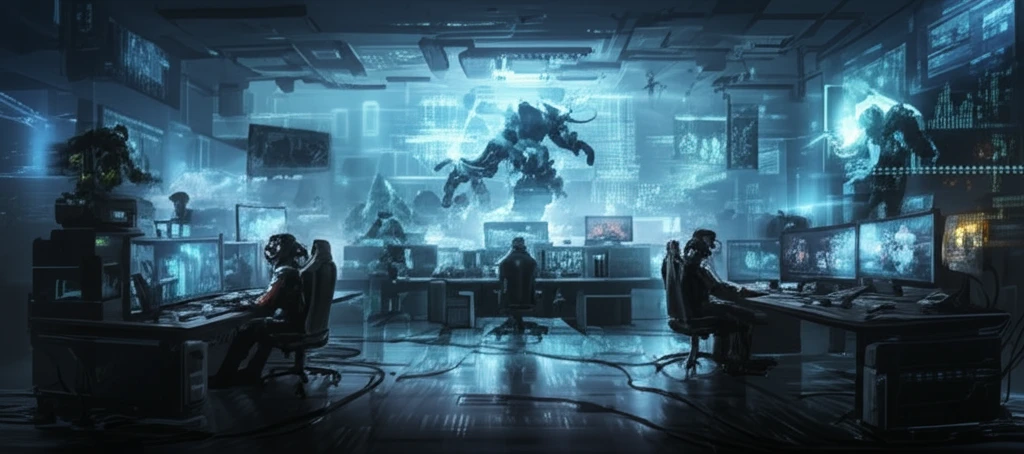
Decoding Gamer Culture: How Technomasculinity Shapes Video Game Production

"Explore the influence of technomasculinity in the gaming industry and how it impacts game development and culture."
Video games have deep roots in military-funded research, forging ongoing connections between military simulations, recruitment efforts, and the broader gaming industry. This relationship has helped define the culture of video games, emphasizing a 'militarized masculinity' from its early days. War scenarios, conquest narratives, and combat themes became central to game design, shaping the industry's identity.
Over time, a 'toxic gamer culture' has emerged, marked by incidents of sexism that have become increasingly intense. Major game development studios and publishers continue to focus on the 'core' demographic of hardcore male gamers, even as the player base becomes more diverse with the rise of casual gaming. This emphasis on militarized masculinity extends beyond first-person shooters, influencing various game genres and impacting the industry's profit-driven structure, which often makes creating more gender-inclusive games a risky venture.
Along with the focus on militarized masculine content, the industry sees a reproduction of male game employees from the ranks of hardcore players, perpetuating the types of games they grew up playing. This article explores how 'technomasculinity'—a form of masculinity tied to advanced computer knowledge—influences video game production and culture, examining its impact on industry dynamics and inclusivity.
Gaming Industry Footprint
While precise statistics on the influence of technomasculinity in video game production remain scarce, industry reports suggest that gender dynamics continue to shape development teams and game narratives. The impact of these cultural patterns is often discussed in broader media studies, though comprehensive quantitative data is still emerging. Researchers note the need for more systematic investigation into how technomasculine ideals affect both production processes and player experiences.
Local Media Analysis Limitations
Standard approaches to studying gamer culture often involve analyzing local media coverage, such as Sheridan Media's news articles and community calendars, which provide grassroots perspectives but lack the systematic rigor of academic research. Accepted methods frequently rely on such local sources to gauge cultural trends, yet these sources may not capture the nuanced dynamics of technomasculinity in game production. The limitations of these approaches are evident in their narrow geographic focus and potential biases in reporting. For instance, Sheridan Media's coverage of local events may overlook broader industry patterns.
Historical Gaming Culture Evolution
The historical development of video game production has been marked by key milestones that reflect evolving gender norms and technological advancements. Early arcade culture and the rise of home consoles often reinforced masculine stereotypes, shaping foundational practices in game design. However, comprehensive historical analyses that specifically address technomasculinity's role are still being developed.
What is Technomasculinity and Why Does It Matter in Gaming?
Technomasculinity, as discussed in this article, goes beyond the overt displays of militarized masculinity. It highlights how advanced computer skills and technical proficiency shape the gaming industry. This form of masculinity is a key part of the broader structure of hegemonic masculinity, influencing who enters the industry, how games are made, and the overall culture within game development studios.
- Early Socialization: How young boys are often introduced to computers and programming by their fathers, setting the stage for a lifelong interest in technology.
- Passion for Gaming: The intense dedication to video games that drives many to pursue careers in the gaming industry.
- Workplace Culture: How these factors combine to create a workplace culture that can sometimes exclude those who don't fit the technomasculine mold.
Contemporary Scholarly Focus
Recent research has begun to examine how technomasculinity influences contemporary video game production, with studies highlighting disparities in leadership roles and narrative perspectives. Reviews of the literature suggest a growing interest in intersectional approaches to understanding gender dynamics in gaming. However, the field remains fragmented, with varying methodologies and limited longitudinal data.
Critiques and Implementation Gaps
Some counter arguments posit that technomasculinity is a constructed narrative that overlooks diverse contributions within the gaming industry. Critics note that efforts to address gender imbalances have sometimes failed due to superficial implementation or lack of systemic change. These failures underscore the complexity of transforming entrenched cultural norms in production environments.
Methodological Comparisons
Comparative analysis reveals methodological differences between quantitative studies of industry demographics and qualitative explorations of workplace culture. Such comparisons highlight how diverse research designs can yield contrasting insights into technomasculinity's impact. Integrating these approaches may offer a more holistic understanding of the issue.
Moving Forward: Towards a More Inclusive Gaming Industry
Addressing the issues surrounding technomasculinity requires more than simply adding diverse faces to the industry. It involves a fundamental shift in organizational practices and workplace cultures to ensure they are inclusive and supportive for all individuals. By recognizing and challenging the subtle ways in which technomasculinity operates, the gaming industry can create a more equitable and innovative environment where diverse talents can thrive. This will not only enrich the industry but also lead to the creation of games that resonate with a broader audience.
Technical Infrastructure Insights
Synthesis of technical literature indicates that caching mechanisms, such as the nocache middleware available on npm and GitHub, play a critical role in optimizing performance for online games and digital platforms. Expert commentary suggests that effectively managing caching can enhance user experience by reducing latency, though improper implementation may lead to security vulnerabilities. The helmetjs/nocache package, for instance, is designed to disable client-side caching, which can be crucial for real-time game updates.
Streaming and Immersive Trends
Future trends in media consumption suggest that streaming services like Netflix, which offer high-definition and 3D content, may influence the evolution of video game distribution and player expectations. Discussions on platforms such as Zhihu indicate consumer interest in optimizing video quality and exploring immersive formats. These developments point toward potential convergence between gaming and streaming technologies.
Global Localization Challenges
Broader context reveals that translation services like Google Translate are increasingly relevant as video games reach global audiences, presenting both opportunities and challenges for localization. Systemic issues include ensuring accurate cultural adaptation and maintaining game integrity across languages. These challenges highlight the need for specialized translation approaches beyond generic tools.
Media Portrayals and Influence
The human element in media production is exemplified by actors like Hill Harper, whose roles in series such as The Good Doctor reflect broader themes of professional ethics and personal growth. Real-world impact can be observed in how such portrayals influence public perceptions of technical fields. However, direct translation to video game culture requires further examination.