
Decoding DNA Repair: Can We Turn Off 'Bad' Genes to Prevent Disease?

"Unlocking the Secrets of Synthetic Lethality and the Trp53 Gene in DNA Repair Mechanisms"
Our bodies are constantly under attack at the cellular level. From environmental toxins to the natural wear and tear of replication, our DNA faces a barrage of threats daily. Fortunately, we have sophisticated repair mechanisms in place to correct these damages, ensuring our cells function correctly and prevent mutations that could lead to disease. However, sometimes these repair systems falter, leading to genomic instability and potential catastrophe.
One of the key processes in maintaining genomic integrity is Non-Homologous End Joining (NHEJ). This pathway is crucial for repairing double-strand breaks (DSBs) in DNA, which can occur spontaneously or due to external factors. During NHEJ, various proteins and enzymes work together to sense, process, and ligate the broken DNA strands, restoring the integrity of the genome. Key players in this process include the Ku70 and Ku80 subunits, which bind to DSBs and recruit other essential factors like PAXX, Mri, DNA-PKcs, Artemis, XRCC4, and DNA ligase 4.
Recent research has focused on understanding the interactions between these DNA repair factors and how their combined inactivation can lead to synthetic lethality—a condition where the simultaneous loss of function of two or more genes results in cell death, whereas the loss of only one of these genes does not. A particularly interesting area of study involves the tumor protein p53, encoded by the Trp53 gene, a critical regulator of the cell cycle, DNA repair, and apoptosis. New studies reveal that inactivating Trp53 can rescue the synthetic lethality caused by the combined dysfunction of other DNA repair genes, offering new insights into potential therapeutic interventions.
Current Impact
DNA repair is an important area of biological and medical research because DNA damage can affect how cells function. The scale and consequences of these effects vary across diseases and individuals. Current evidence should therefore be interpreted carefully rather than reduced to a single universal statistic.
Established Approaches
Current approaches generally focus on understanding, monitoring, or modifying biological pathways involved in DNA damage and repair. These methods may offer useful benefits, but they can also face limitations involving accuracy, safety, delivery, and unintended effects. Their effectiveness may differ according to the disease, the affected cells, and the individual patient.
The Foundations of DNA Biology
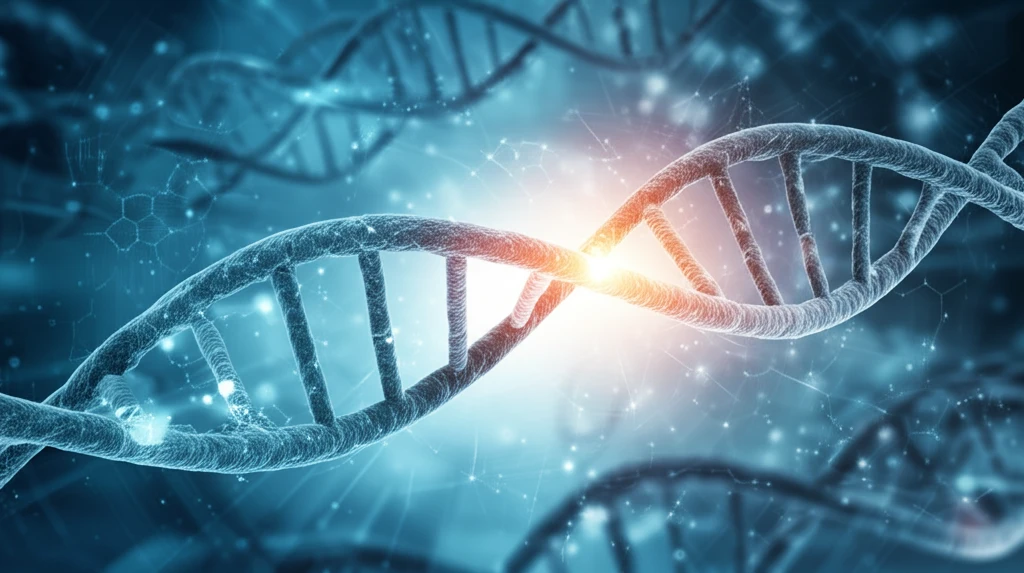
DNA, short for deoxyribonucleic acid, is the molecule that contains the genetic code of living organisms, including animals, plants, protists, archaea, and bacteria. It consists of two polynucleotide chains arranged in a double helix. DNA and RNA are nucleic acids, a major class of macromolecules alongside proteins, lipids, and complex carbohydrates. Nucleic acids carry, create, encode, and store information in living cells, while DNA codes genetic information involved in transmitting inherited traits.
How Does Trp53 Inactivation Rescue DNA Repair?
Scientists have discovered that the combined inactivation of certain DNA repair factors, such as Xlf and Dna-pkcs, or Xlf and Paxx, leads to synthetic lethality in mice. This means that when both gene pairs are non-functional, cells die, leading to severe developmental or health issues. Interestingly, this lethality is often associated with increased apoptosis, or programmed cell death, particularly in the central nervous system.
- Rescuing Embryonic Lethality: Inactivating one or both alleles of Trp53 allowed mice with deficiencies in both Xlf and Paxx to survive, indicating that Trp53 is a critical factor in the lethality observed when these DNA repair genes are absent.
- Immunodeficiency Phenotype: While the inactivation of Trp53 rescued the mice from embryonic lethality, the resulting mice exhibited immunodeficiency. This highlights a trade-off where preventing cell death allows survival but compromises the immune system.
- Combined Inactivation of Paxx and Dna-pkcs: Further experiments showed that combined inactivation of Paxx and Dna-pkcs resulted in viable and fertile mice, indistinguishable from Dna-pkcs knockout controls. This suggests that there is no significant functional redundancy between PAXX and DNA-PKcs in mouse development, challenging previous assumptions.
DNA as Cellular Instructions
DNA is described as a set of instructions for creating the proteins that make the body work. Two strands of DNA form a double helix, often compared with a spiral staircase. This structure is central to how genetic information is organized and understood in biology. These basic principles provide context for research into DNA damage, repair, and gene activity.
Limits and Uncertainty
Turning off a gene is not necessarily a simple or universally safe way to prevent disease. Effects may depend on the gene, the tissue involved, and the timing of the intervention. Potential benefits must therefore be weighed against uncertainty and unintended biological consequences. More evidence may be needed before any approach can be considered broadly reliable.
Comparing Strategies
Different DNA-repair strategies may vary in their targets, precision, delivery requirements, and risks. No single method can be assumed to work equally well across all diseases or patients. Comparisons should consider both the intended biological effect and possible unintended changes. The available evidence may support different choices in different clinical contexts.
Future Directions and Therapeutic Implications
This research opens new avenues for therapeutic interventions targeting DNA repair mechanisms. By understanding the genetic interactions and synthetic lethalities involved, scientists can develop strategies to selectively kill cancer cells with specific DNA repair deficiencies. For example, if cancer cells have a defect in one DNA repair pathway, inhibiting another related pathway could induce synthetic lethality, leading to targeted cell death while sparing healthy cells. Furthermore, modulating the activity of Trp53 could enhance the effectiveness of these therapies, providing a more personalized and effective approach to cancer treatment.
A Cautious Synthesis
The idea of turning off harmful gene activity is promising but should be treated as a developing scientific possibility rather than a universal solution. DNA biology provides an important foundation for understanding why such strategies might work. At the same time, biological systems are complex, and changing one pathway may produce effects elsewhere. Careful evidence and expert assessment remain essential.
Future Directions
Future research may clarify which genes and DNA-repair pathways can be modified safely and effectively. Progress will likely depend on improving precision, delivery, monitoring, and long-term evaluation. These goals remain active research questions rather than guaranteed outcomes. Any future application will need to demonstrate meaningful benefits alongside acceptable risks.
Wider Challenges
DNA-repair research operates within broader scientific, medical, ethical, and social systems. Access to advanced treatments, quality of evidence, regulation, and long-term monitoring can all influence real-world impact. These challenges may affect whether promising laboratory findings translate into dependable care. They should be considered alongside the biological science.
People and Patients
For patients and families, research on DNA repair represents both hope and uncertainty. Potentially preventive treatments would need to address individual risks, expectations, safety, and informed decision-making. Laboratory advances do not automatically become accessible or effective therapies. Real-world impact should therefore be judged by patient outcomes as well as scientific progress.