
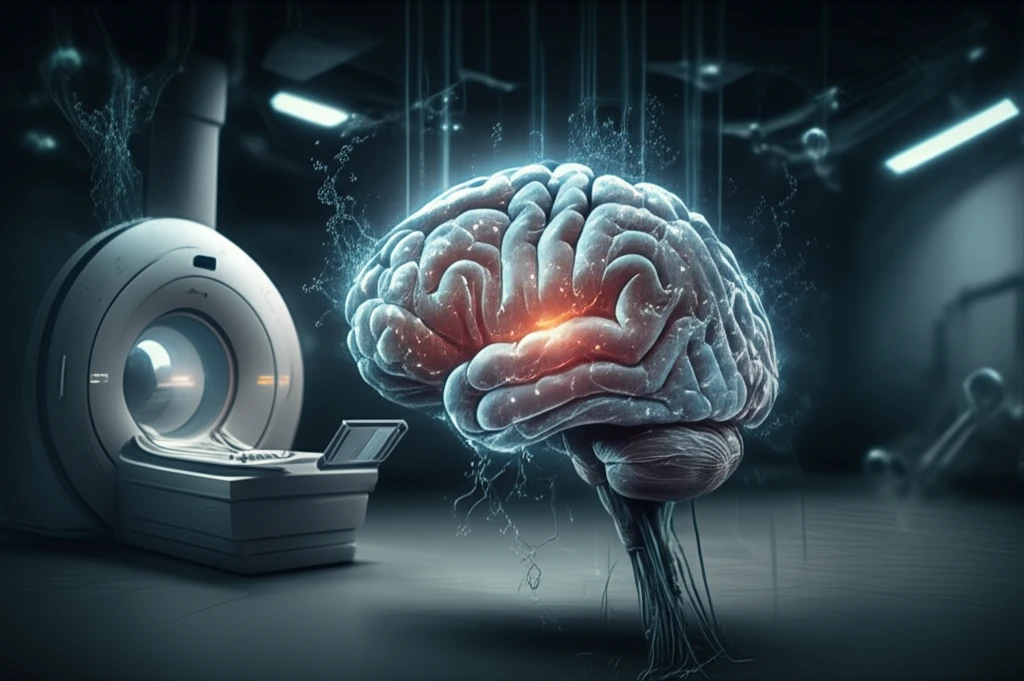
Decoding Cancer: How Sodium MRI Scans Could Revolutionize Glioblastoma Treatment

"New research unveils how sodium MRI scans offer a real-time look into tumor behavior, paving the way for more personalized and effective cancer treatments."
Glioblastoma, a particularly aggressive form of brain cancer, remains a formidable challenge in modern medicine. Despite decades of research and a combination of surgery, radiation, and chemotherapy, long-term survival rates remain dishearteningly low. The complexity and variability of these tumors necessitate innovative approaches to treatment and monitoring.
Traditional methods of assessing tumor response often fall short, leading researchers to explore more precise and biologically relevant measures. Recent studies highlight the potential of sodium magnetic resonance imaging (MRI) as a groundbreaking tool in understanding how glioblastomas react to therapy in real time.
This advanced imaging technique offers a window into the tumor's microenvironment, providing critical data on cell volume fraction and overall tumor viability. By using sodium MRI, medical professionals may soon be able to tailor treatments to the unique characteristics of each patient's tumor, potentially improving outcomes and extending survival.
The Devastating Numbers Behind Glioblastoma
Approximately 14,000 Americans receive a new glioblastoma diagnosis each year, with roughly 10,000 deaths annually, yielding no known cure. The median survival rate after diagnosis is eight to 16 months, a figure that has barely changed in the last two decades. Cancer Research UK notes that many widely cited statistics are based on older WHO classification systems, which were updated in 2021, suggesting current data may not fully reflect modern diagnostic standards. Despite these grim figures, individual outcomes vary, and progress continues toward understanding the disease and expanding treatment options.
Standard Treatment and Its Shortcomings
The standard approach to glioblastoma involves a multimodal combination of surgery, radiation therapy, and systemic medications. However, these methods often fail to provide long-term disease control due to the tumor's infiltrative growth pattern and challenging anatomical location. A critical barrier is the blood-brain barrier, a protective membrane that significantly limits the ability of therapeutic agents to reach the tumor site effectively. The limited efficacy of these options has prompted researchers to explore alternative therapeutic approaches.
Key Milestones in Glioblastoma Treatment
Glioblastoma multiforme is classified as a grade 4 glioma, the most aggressive brain tumor type, arising from glial cells. Historically, treatment has followed a philosophy of finding the best therapy for each individual patient and innovating when existing options fall short. A notable milestone came when Mayo Clinic reported phase 2 results published in The Lancet Oncology, suggesting a treatment approach that may improve overall survival in older patients while maintaining quality of life. Johns Hopkins Medicine reports that more patients are now living longer with GBM, reflecting incremental but meaningful progress.
Sodium MRI: A New Perspective on Tumor Dynamics
Sodium MRI is emerging as a powerful method for quantitatively assessing changes within brain tumors. Unlike conventional imaging techniques, sodium MRI focuses on the concentration of sodium ions within the tissue, which is closely linked to cellular health and viability. This approach allows for a more direct evaluation of how tumors respond to treatments such as chemoradiation.
- Real-Time Monitoring: Sodium MRI provides near real-time feedback on tumor response during chemoradiation.
- Personalized Treatment: Allows for tailoring treatment based on individual tumor behavior.
- Quantifiable Data: Offers objective measurements of tumor volume, cell viability, and treatment effectiveness.
- Early Intervention: Helps identify ineffective treatments early, enabling a switch to alternative strategies.
Emerging Research Frontiers
Recent glioblastoma research has expanded into several innovative directions, including the ADePT trial, which represents a significant development in glioblastoma clinical research. Scientists are investigating the dynamics of GBM IDH wild type, a molecular subtype that influences prognosis and treatment strategy. Dendritic cell immunotherapy has also emerged as a promising area, exploring how a patient's own immune cells can be harnessed to fight glioblastoma. These advances signal a shift toward more targeted, molecularly informed approaches that may differ fundamentally from traditional therapies.
Persistent Resistance and Treatment Failures
Despite extensive research investment, glioblastoma remains characterized by high mortality rates and significant treatment resistance. A major mechanism of resistance involves glioma stem-like cells, which can survive standard therapies and contribute to tumor recurrence. The aggressive nature of glioblastoma means that even with continued development of new treatments, outcomes have remained stubbornly poor. These challenges highlight fundamental biological obstacles that must be overcome for any new therapeutic approach to succeed.
Comparing Imaging and Treatment Approaches
Sodium MRI scans represent a novel imaging approach that could potentially address some limitations of conventional MRI in glioblastoma assessment. While traditional imaging methods provide structural information, sodium-based techniques may offer additional metabolic insights that could help clinicians better characterize tumor heterogeneity and treatment response. Further comparative studies would be needed to establish how sodium MRI performs relative to existing modalities in guiding glioblastoma management decisions.
The Future of Glioblastoma Treatment
Sodium MRI holds significant promise for transforming the way glioblastoma is treated. By providing a more detailed and dynamic picture of tumor behavior, this technology enables clinicians to make more informed decisions about treatment strategies. As research continues and the technology becomes more accessible, sodium MRI may pave the way for more effective and personalized approaches to combating this challenging disease. The ability to quickly assess and adjust treatments based on real-time tumor response could ultimately lead to improved survival rates and a better quality of life for patients battling glioblastoma.
Expert Perspectives on Treatment Direction
Expert commentary emphasizes the need for physician-led coordination across neurosurgery, neuro-oncology, and immunotherapy assessment to optimize glioblastoma care. Research published in Expert Opinion on Therapeutic Targets has identified fibrinogen-like protein 2 as a potential molecular target, reflecting the field's push toward precision medicine. Analysis of the industrial landscape reveals growing investment from companies developing GBM treatments, though cost remains a significant consideration in treatment planning and patient accessibility.
Toward Personalized Glioblastoma Medicine
The future of glioblastoma treatment is moving toward personalized medicine, with developments suggesting that future therapies may be designed on an individual patient basis rather than following standardized protocols. Market analysis projects growth in glioblastoma treatment drugs through 2026–2033, driven by technological innovations and increased research and development investments. A growing global patient population is further fueling the urgency and commercial interest in developing more effective therapies.
Systemic Challenges in Glioblastoma Care
Glioblastoma is the most common malignant brain and central nervous system tumor, accounting for 47.7% of all such cases. The disease presents unique treatment challenges, including significant neurotoxicity associated with therapies directed at gliomas. These systemic challenges underscore the difficulty of developing treatments that can effectively target the tumor while preserving healthy brain function. Addressing these obstacles remains one of the central priorities in glioblastoma research and clinical practice.
The Patient Experience and Biological Complexity
For patients living with glioblastoma, treatment outcomes remain dismal, with median survival showing only modest improvement over more than 40 years of research. Standard-of-care treatments often carry a significant negative impact on quality of life, creating difficult tradeoffs for patients and families. Researchers note that glioblastoma tumors have evaded treatment largely because their composition is highly variable both within individual tumors and between different patients. This biological complexity makes it exceptionally difficult to develop one-size-fits-all therapies, reinforcing the deeply personal nature of the glioblastoma experience.