
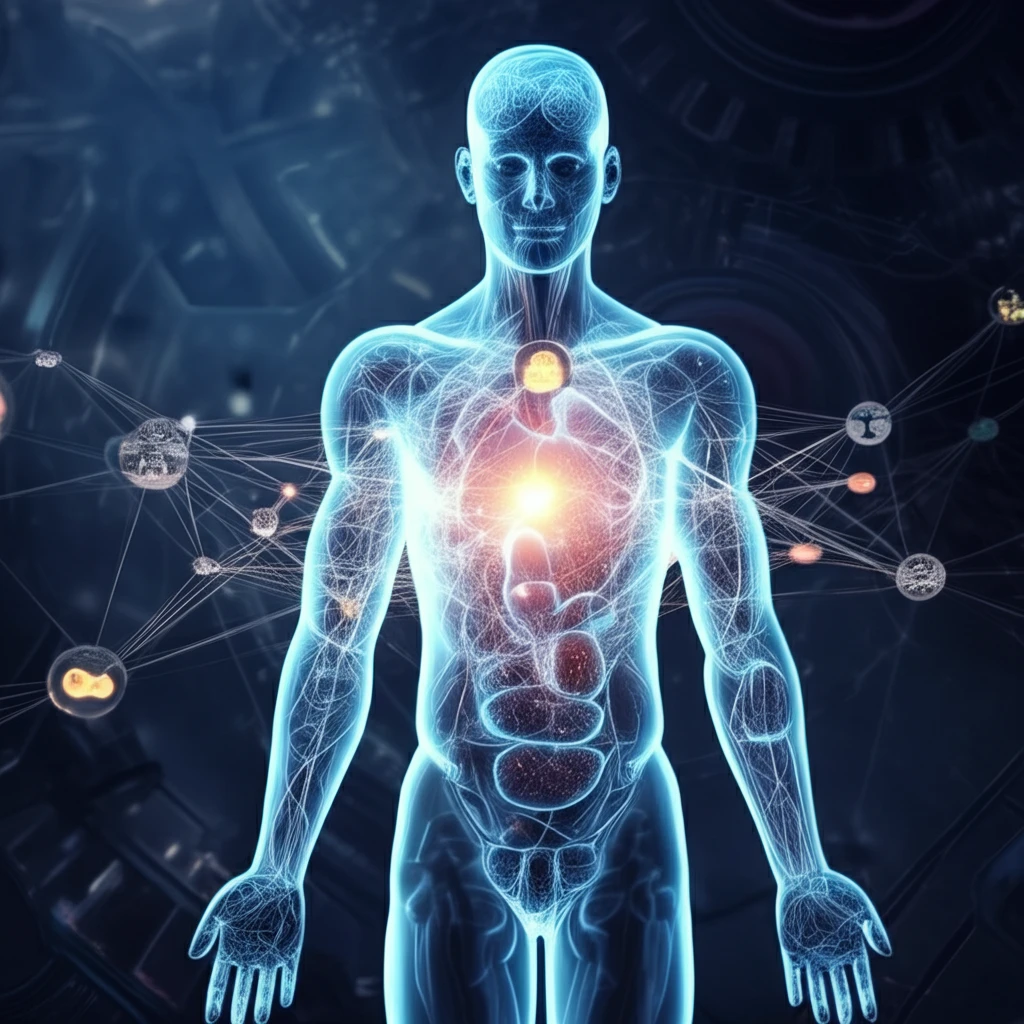
Cracking the Code: How Personalized Medicine and AI are Revolutionizing Diabetes Treatment

"Discover how matched learning and electronic health records (EHRs) are paving the way for individualized treatment strategies for Type 2 Diabetes, offering hope for better outcomes."
For years, medical treatments have often followed a one-size-fits-all approach, guided by the average results seen in clinical trials. However, everyone knows that each person's body is different, and what works for one patient may not work for another. This is especially true for complex conditions like type 2 diabetes (T2D), where managing blood sugar and preventing complications requires personalized strategies.
The rise of electronic health records (EHRs) offers a sea change, providing vast amounts of real-world patient data. Experts can now use this information to develop individualized treatment rules (ITRs) that consider a patient's unique characteristics and history. One exciting approach is "matched learning," a type of machine learning that leverages EHR data to optimize treatment strategies.
Imagine a future where doctors use AI to analyze your health records and pinpoint the precise treatment plan that suits your needs. This future is closer than you think, and it's being driven by innovations in machine learning and the increasing availability of detailed patient data.
The Global Burden of Diabetes
Diabetes is one of the fastest-growing chronic diseases worldwide, affecting hundreds of millions of people across both developed and developing nations. The condition places enormous strain on healthcare systems, driving up costs related to long-term complications such as cardiovascular disease, kidney failure, and neuropathy. As prevalence rates continue to climb, there is growing urgency to find more effective, individualized approaches to management and prevention.
The Limits of One-Size-Fits-All Diabetes Care
Standardized treatment protocols for diabetes, while foundational, have shown significant limitations in addressing the complex and varied needs of individual patients. A one-size-fits-all approach often fails to account for the unique biological, genetic, and lifestyle factors that influence how each person responds to therapy. Personalized medicine, also known as precision medicine, seeks to customize healthcare decisions and treatments to the individual, using tools such as AI-driven meal planning, medication scheduling, and predictive analytics to optimize outcomes. These AI-powered systems can generate tailored recommendations for diet, exercise, and insulin delivery, moving beyond generic guidelines toward care plans that reflect each patient's specific circumstances.
From Ancient Observations to Modern Breakthroughs
The recognition of diabetes stretches back more than 3,500 years, with ancient Egyptian texts describing symptoms consistent with the disease and Sanskrit writings from the 5th and 6th centuries BC noting the sweet taste of urine in affected individuals. Over the centuries, early autopsy studies and clinical observations gradually revealed the pathological changes occurring in the pancreas, laying the groundwork for modern understanding. Key milestones include the 1922 discovery of insulin, the development of oral diabetes medications in the 1950s, and the introduction of continuous glucose monitoring and insulin pump therapy in later decades. Archibald Garrod's early work on individual variation in drug response also foreshadowed the concept of personalized medicine, which would eventually emerge as a transformative paradigm in diabetes care.
What is Matched Learning and Why is It a Game Changer for Diabetes?
Matched learning (M-learning) is a machine-learning technique that assesses how different people will respond to alternative treatments, especially when dealing with confounding factors. Instead of relying on inverse probability weighting, M-learning focuses on comparing well-matched pairs of patients to determine optimal treatment paths.
- Personalized Medicine: Moves away from the one-size-fits-all model, and it tailors treatments to individual characteristics.
- Individualized Treatment Rules (ITRs): Develops specific rules based on patient data to determine the most effective treatment strategies.
- Electronic Health Records (EHRs): Uses large-scale EHRs to gather comprehensive patient data, providing a base for personalized treatment plans.
- Machine Learning: Applies machine learning techniques to analyze EHRs and discover patterns for optimal treatment decisions.
- Observational Studies: Relies on observational data to understand real-world treatment effects, enhancing generalizability.
Advancing the Frontiers of Diabetes Research
Ongoing research in diabetes continues to explore new ways to improve patient outcomes, with recent reviews highlighting the potential of technology and data-driven approaches. While specific findings are evolving rapidly, the broader trend points toward increasingly sophisticated tools for monitoring, predicting, and managing the disease. Researchers are working to bridge the gap between clinical evidence and practical application, though the pace of progress varies across different aspects of diabetes care.
Challenges and Criticisms in the Field
Despite the promise of personalized medicine and AI, there are legitimate concerns about overhyping these technologies before they have been fully validated in diverse populations. Some experts caution that algorithmic approaches may inadvertently reinforce existing biases or fail to account for social determinants of health. The gap between research findings and real-world implementation remains a persistent challenge, with many promising interventions struggling to translate into routine clinical practice.
Weighing Approaches to Diabetes Management
Comparing traditional and personalized approaches to diabetes care reveals tradeoffs between simplicity and individualization. Standardized protocols offer ease of implementation and broad applicability, but may not capture the nuances of individual patient needs. Personalized strategies, while potentially more effective, require greater investment in data infrastructure, clinician training, and patient engagement. The optimal approach likely involves integrating elements of both, leveraging technology where it adds clear value while maintaining the human connection that underpins effective care.
The Future of Diabetes Care: Data-Driven and Personalized
The application of matched learning to electronic health records is paving the way for a new era of personalized medicine. This advanced approach uses machine learning and AI to refine treatment strategies, improve results for type 2 diabetes patients, and also holds considerable promise for other fields of medicine. The move towards data-driven, personalized care represents a transformative step in improving healthcare outcomes and quality of life.
Integrating Innovation with Patient-Centered Care
As personalized medicine and AI continue to mature, experts emphasize the importance of balancing technological innovation with the core principles of patient-centered care. The most successful implementations tend to combine data-driven insights with clinical judgment and patient preferences, rather than relying on algorithms alone. Moving forward, the field will need to prioritize equitable access, rigorous validation, and ongoing collaboration between researchers, clinicians, and patients to realize the full potential of these approaches.
Where Personalized Diabetes Care Is Heading
The future of diabetes management is expected to be shaped by increasingly sophisticated applications of AI and precision medicine, which can analyze vast amounts of data to predict individual risk and formulate tailored treatment plans. Precision medicine involves tailoring interventions based on a person's unique genetic makeup, lifestyle, environmental exposures, and other relevant factors, moving decisively away from generalized guidelines. As these approaches mature, they hold the promise of more effective prevention, earlier detection, and better outcomes for people living with diabetes across diverse populations.
Overcoming Barriers to Equitable Access
While personalized medicine holds significant promise for transforming diabetes care, its adoption faces major challenges that are particularly acute in low- and middle-income countries, where the majority of people with diabetes live. The cost and accessibility of genetic testing and advanced diagnostic tools remain substantial obstacles, as these resources are not readily available in all healthcare settings. Even in wealthier nations, integrating personalized approaches into existing healthcare infrastructure requires navigating complex issues of reimbursement, workforce training, and data privacy. Addressing these systemic barriers will be essential to ensuring that the benefits of precision medicine reach all who need them.
Real Stories, Real Results
Real-world case studies demonstrate that personalized medicine is already delivering meaningful value to individuals, healthcare systems, and the broader medical community. One compelling example involves Endeavor Health's Personalized Medicine in Diabetes Consultation Clinic, which uses genetic testing to evaluate atypical forms of diabetes such as GCK-MODY, enabling more accurate diagnoses and targeted treatment. Continuous data collection and real-time analytics have also shown promise in addressing the limitations of traditional clinical trials, leading to more informed decision-making and personalized treatment approaches. These examples illustrate that the potential of personalized diabetes care is not merely theoretical—it is beginning to reshape how patients experience and manage their condition.