
Cell Death Decoded: How a New 'Dock-and-Lock' Mechanism Could Stop Bacterial Toxins

"Scientists uncover a crucial process in cell biology, potentially paving the way for new treatments against deadly bacterial infections like those caused by Staphylococcus aureus."
Our bodies are constantly battling unseen invaders—bacteria, viruses, and other pathogens. While our immune system is typically the first line of defense, sometimes these microscopic foes deploy a more sinister weapon: toxins. One particularly nasty culprit is the bacterium Staphylococcus aureus (S. aureus), which releases a potent toxin known as alpha-toxin. This toxin wreaks havoc by puncturing our cells, ultimately leading to their demise.
For years, scientists have been trying to understand precisely how alpha-toxin does its dirty work. It's clear that the toxin targets and binds to a protein on the surface of our cells called ADAM10. Think of ADAM10 as a doorway. Once the toxin is inside, it begins to cluster together, forming pores—essentially tiny holes—in the cell membrane. These pores disrupt the delicate balance within the cell, causing it to die. But the details of this process have remained murky.
Now, a new study published in Cell Reports sheds light on this deadly game. Researchers have uncovered a sophisticated 'dock-and-lock' mechanism that S. aureus uses to ensure alpha-toxin effectively kills our cells. This discovery not only deepens our understanding of bacterial infections but also points toward potential new strategies for treatment.
The Growing Threat of Bacterial Toxins
Bacterial infections remain a significant global health concern, with toxin-mediated diseases contributing substantially to morbidity and mortality worldwide. While precise statistics vary by region and pathogen, the burden of toxin-producing bacteria continues to challenge healthcare systems. The emergence of antibiotic resistance has intensified the urgency of understanding bacterial virulence mechanisms, including toxin activity. Research into bacterial toxins has become increasingly important as traditional treatment approaches face growing limitations.
Traditional Strategies Against Bacterial Toxins
Conventional approaches to combating bacterial toxins have primarily relied on antibiotics, antitoxins, and supportive care. Antibiotics target bacterial growth but may not neutralize toxins already released, and antitoxin therapies face challenges in specificity and delivery. Current methods often struggle with toxin diversity and the ability of bacteria to develop resistance mechanisms. These limitations have spurred interest in novel mechanisms that could more directly intercept toxin activity at the molecular level.
Evolution of Toxin Biology Research
The study of bacterial toxins has progressed from early observations of bacterial pathogenicity to detailed molecular characterization of toxin mechanisms. Key milestones include the identification of major toxin families and the elucidation of their cellular targets. Research into programmed cell death in bacteria emerged as a distinct field, revealing sophisticated survival strategies beyond simple toxin-antitoxin interactions. These foundational discoveries have paved the way for exploring novel antibacterial mechanisms.
The 'Dock-and-Lock' System: A Closer Look
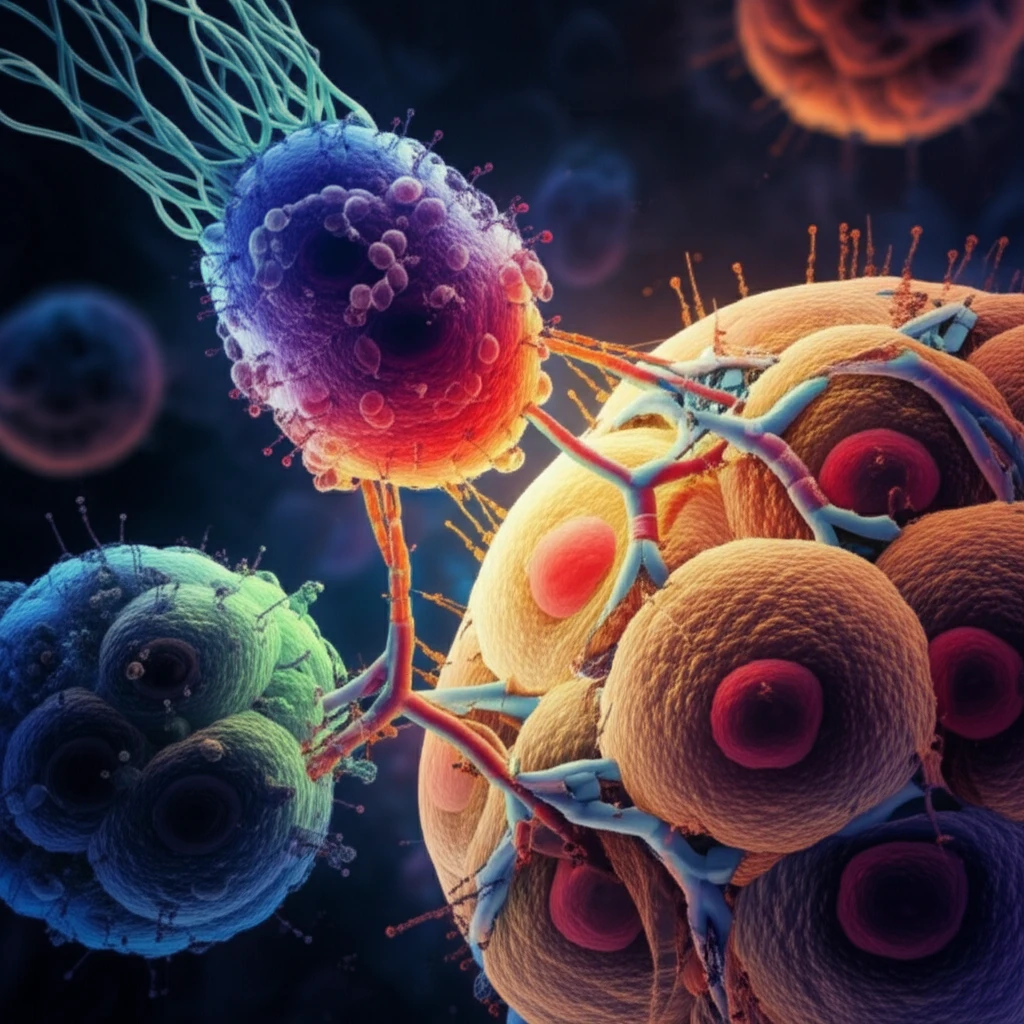
The key to this new understanding lies in a group of proteins that hang around cell junctions—the areas where cells come into contact with each other. Specifically, the researchers focused on a protein complex called PLEKHA7-PDZD11. Previous research had hinted that these proteins might play a role in how cells respond to alpha-toxin, but their exact function was unknown. This study reveals that PLEKHA7-PDZD11 acts as a kind of anchor point for ADAM10.
- Docking: A protein called Tspan33 acts as the bridge, physically linking ADAM10 to the PLEKHA7-PDZD11 complex. Tspan33 essentially 'docks' ADAM10 at the cell junction.
- Locking: Once ADAM10 is in place, another protein, afadin, steps in to 'lock' it there. Afadin binds directly to ADAM10, ensuring it remains clustered at the cell junction.
Advances in Understanding Bacterial Toxin Mechanisms
Recent research has deepened understanding of how bacterial toxins interact with host cells and contribute to pathogenesis. Studies have revealed diverse mechanisms by which toxins subvert cellular processes, from membrane disruption to interference with intracellular signaling. New methodologies are enabling more precise characterization of toxin structure and function. These advances are creating opportunities for developing targeted interventions that could disrupt toxin activity more effectively than traditional approaches.
Challenges in Toxin Research and Therapeutic Development
Despite progress, significant challenges remain in translating toxin biology research into effective therapies. The complexity of toxin-host interactions and bacterial adaptation strategies complicates intervention development. Some experimental approaches have shown limited efficacy in clinical settings, highlighting the gap between laboratory findings and therapeutic applications. The heterogeneity of bacterial toxin mechanisms means that solutions effective against one toxin may not work against others, requiring more nuanced approaches.
Toxin-Antitoxin Systems and Programmed Cell Death
Bacterial programmed cell death (PCD) represents a controlled and regulated mechanism with enormous significance in survival, stress adaptation, and biofilm persistence, where cells actively trigger their death based on internal or external stimuli rather than accidental or passive death. The toxin-antitoxin (TA) systems are central to this process, with distinct control mechanisms ensuring that only subsets of cells within isogenic cultures transiently develop moderate levels of toxin activity. Pathogenic bacteria employ various mechanisms to cause infections, expressing a wide range of molecules including bacterial toxins that are poisonous substances created and secreted at extracellular or intracellular levels. These systems illustrate how bacteria utilize sophisticated molecular mechanisms to regulate their own populations and respond to environmental stresses.
New Avenues for Treatment
This research provides a valuable new target for therapies aimed at combating S. aureus infections. By interfering with the 'dock-and-lock' mechanism, it may be possible to prevent alpha-toxin from effectively killing cells. This could involve developing drugs that disrupt the interaction between Tspan33 and PLEKHA7-PDZD11, or that prevent afadin from locking ADAM10 in place. While still in the early stages, this discovery holds significant promise for the development of new and more effective treatments against this dangerous bacterium.
Interplay Between Cell Death and Microbial Communities
The interaction between cell death and the microbial community remains less well explored than the mechanisms by which bacterial pathogens induce death and impact tissue resolution and repair. While understanding exists regarding how bacteria respond to homeostatic cell death or death caused by non-bacterial stimuli, this represents an area where knowledge gaps persist. The complexity of these interactions suggests that therapeutic strategies targeting cell death pathways must consider the broader microbial ecosystem context. Future research integrating cell death biology with microbiome studies may reveal new therapeutic opportunities.
Emerging Research Directions in Bacterial Toxin Biology
Ongoing research into bacterial toxins continues to reveal new insights into their mechanisms and potential therapeutic targets. The intersection of toxin biology with cell cycle dynamics represents a growing area of investigation, with increasing publication activity reflecting heightened scientific interest. Future research is likely to focus on more precise molecular interventions that can selectively disrupt toxin activity while minimizing harm to beneficial microbiota. Advances in structural biology and computational methods may enable the design of novel agents that target toxin mechanisms through innovative approaches.
Systemic Perspectives on Bacterial Survival Strategies
Bacterial programmed cell death and toxin-antitoxin systems represent sophisticated survival strategies that have evolved under significant selective pressures. These mechanisms enable bacterial populations to adapt to environmental stresses, persist in hostile conditions, and maintain community fitness through controlled population regulation. The broader context of these systems extends beyond individual bacterial physiology to encompass ecological and evolutionary dynamics within microbial communities. Understanding these systemic challenges is essential for developing comprehensive strategies to combat pathogenic bacteria.
Translating Research into Clinical Applications
The translation of bacterial toxin research into tangible clinical benefits remains a complex undertaking requiring interdisciplinary collaboration. Researchers, clinicians, and public health experts must work together to bridge the gap between laboratory discoveries and practical interventions. The real-world impact of this research depends on addressing regulatory, manufacturing, and accessibility challenges alongside scientific ones. Ultimately, the success of novel antibacterial strategies will be measured by their ability to improve patient outcomes and reduce the burden of toxin-mediated diseases.