
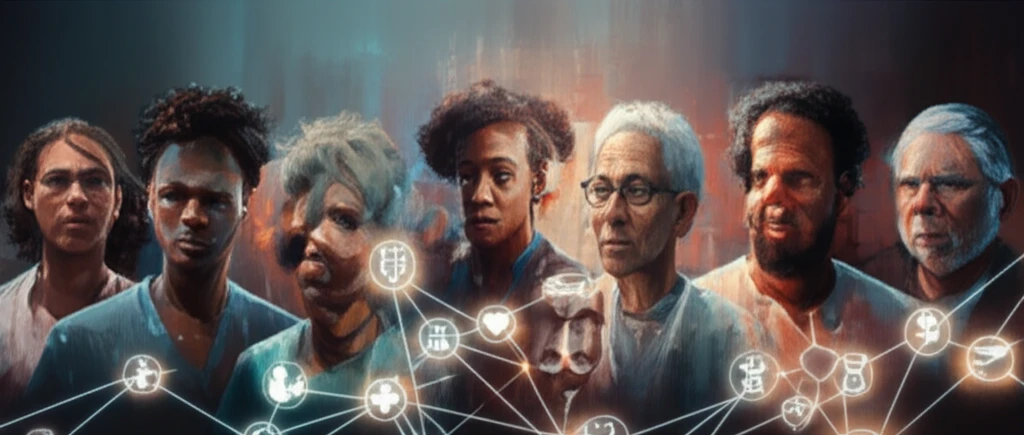
Bridging the Digital Divide: How Immigrants Are Increasingly Engaging with e-Health

"A new study reveals the growing trend of U.S. immigrants utilizing online tools for healthcare, highlighting the importance of culturally sensitive digital health initiatives."
In an era where healthcare increasingly intersects with technology, understanding how different populations engage with digital health resources is crucial. For U.S. immigrants, who often face unique barriers to quality healthcare, e-health tools offer a promising avenue to bridge gaps in access, information, and support. A recent study sheds light on the evolving trends of e-health engagement among U.S. immigrants, revealing both progress and persistent disparities.
The study, featured in Health Communication, analyzes data from the Health Information National Trends Survey (HINTS) between 2008 and 2013, providing a valuable longitudinal perspective. Researchers Xinyan Zhao, Bo Yang, and Chau-Wai Wong examined how immigrants' use of online health resources has changed over time and how cultural factors, such as ethnicity and length of residence in the U.S., influence their engagement.
This article delves into the key findings of the study, exploring the specific e-health activities immigrants are adopting, the cultural nuances that shape their digital health behaviors, and the implications for designing more inclusive and effective e-health interventions. By understanding these trends, we can work towards a future where digital health truly serves all members of our diverse society.
The Growing Digital Health Gap
As healthcare systems worldwide accelerate their shift toward digital platforms, immigrants increasingly find themselves at the margins of this transformation. The promise of e-health—remote consultations, digital records, mobile health apps—hinges on access that many immigrant communities lack. While precise, up-to-date statistics on immigrant e-health engagement remain limited, available research suggests that disparities in technology access, digital literacy, and language support continue to shape who benefits from digital health tools. Bridging this divide is both a public health imperative and a test of whether digital health can truly serve diverse populations.
Barriers to Digital Health Access for Immigrants
Research on immigrant digital health engagement has identified a consistent set of barriers, including limited technology access, language obstacles, and financial constraints that disproportionately affect marginalized populations. Studies applying intersectional approaches reveal that noncitizen immigrants, particularly those with lower income, no insurance, and residing in rural areas, face compounding disadvantages in accessing digital health services. Scholars have also flagged major deficits in reliable data on migrants' health needs, evidence of solution effectiveness, and the absence of a broad framework to guide future digital health interventions for these communities. Ethical concerns—such as security and confidentiality of health information, informed consent, and the challenge of meaningfully engaging migrants in designing digital tools—further complicate standard approaches.
From Telegraphs to Telehealth: A Brief Timeline
The evolution of digital health stretches back to foundational communication technologies—the telegraph, photophone, and radio—which laid the groundwork for remote healthcare delivery long before the internet era. More recently, research tracking U.S. immigrants between 2008 and 2013 documented notable growth in e-health activities, suggesting a rising comfort with digital tools for managing personal health and communicating with providers. This period of expanding engagement, however, unfolded against a backdrop of persistent health disparities rooted in cultural transitions and healthcare systems that often fail to address immigrants' unique needs. Scholars emphasize that understanding this historical arc is essential for designing interventions that meet immigrants where they are.
Key Trends in Immigrant e-Health Engagement
The study revealed significant increases in specific e-health activities among U.S. immigrants between 2008 and 2013. Two key areas showed notable growth:
- Tracking Personal Health Information Online: More immigrants are using online platforms to monitor their health data.
- Communicating with Doctors Online: There's a rise in virtual consultations and secure messaging with healthcare providers.
Digital Health Literacy Among Immigrant Families
A growing body of peer-reviewed literature examines digital information seeking, access to digital media, and digital health literacy among immigrant populations, with particular attention to maternal and child health contexts. Research syntheses in this space focus on how immigrants navigate digital health resources, often confronting barriers related to language, cultural norms, and limited familiarity with local healthcare systems. The field remains active, with ongoing systematic reviews consolidating evidence on what digital tools work for whom under what conditions. These reviews underscore that digital health literacy is not merely about device access but about the capacity to find, evaluate, and apply health information in a new cultural context.
When eHealth Falls Short
Despite the transformative potential of eHealth initiatives—from electronic health records and telemedicine to mobile health apps and AI diagnostics—researchers have documented significant failures and fallacies in implementation. Critics argue that many digital health programs are designed without adequate consideration of the populations they aim to serve, leading to low adoption rates and unmet needs. Studies caution against assuming that deploying technology alone will solve systemic healthcare access problems, particularly for communities facing intersecting barriers. The lesson emerging from the literature is that eHealth's promise depends heavily on context-sensitive design, equitable infrastructure, and sustained engagement with end users.
Comparing Immigrant Digital Health Experiences
As healthcare systems undergo rapid digital transformation, digital health literacy has become a critical determinant of equitable access to health services—yet immigrants face unique challenges in navigating these resources due to language barriers, cultural differences, and structural inequalities. Recent comparative research, including studies of immigrants in Spain, highlights how digital health literacy varies significantly across immigrant groups and is shaped by factors such as country of origin, education level, and length of residence. These findings suggest that one-size-fits-all digital health strategies are insufficient; tailored approaches that account for immigrants' diverse linguistic and cultural profiles are essential. The comparative lens reveals that structural supports, not just individual skills, determine whether immigrants can meaningfully engage with digitalized healthcare systems.
- Seeking a Health Provider Online: The percentage of immigrants seeking healthcare providers online remained moderate, indicating persistent barriers to access or awareness.
- Joining an Online Support Group: Participation in online support groups remained low, suggesting a potential missed opportunity for social support and community building.
Implications for Culturally Sensitive e-Health Initiatives
The study underscores the importance of tailoring e-health interventions to meet the specific needs and cultural backgrounds of diverse immigrant communities. One size does not fit all, and culturally sensitive approaches are essential for maximizing engagement and impact.
Ethics, Equity, and the Digital Health Agenda
Experts converge on the view that digital technologies hold genuine promise for supporting the health of migrants and refugees, but only if ethical and equity concerns are addressed head-on. Key issues include the security and confidentiality of health information, obtaining meaningful informed consent across language and cultural barriers, and ensuring that migrants are actively engaged in designing, implementing, and researching digital tools. Research also highlights the persistent reality that noncitizen immigrants with lower income, no insurance, and rural residency face the steepest barriers, calling for targeted policies rather than generic solutions. The consensus is that without deliberate, inclusive design and equitable infrastructure, digital health risks deepening the very disparities it aims to close.
What Comes Next: Research Gaps and Opportunities
Emerging research points to artificial intelligence as a potentially transformative force in migrant health, though experts caution that rigorous evaluation is still needed. Current literature calls for randomized experimental designs to examine the effectiveness of digital interventions in reducing mental health impacts among immigrants—a population with documented but understudied mental health needs. The field also lacks robust longitudinal data on how immigrants' digital health engagement evolves over time and across contexts. As digital tools become more sophisticated, the next frontier will involve building an evidence base that can guide equitable, scalable interventions.
Structural Barriers Beyond the Screen
The challenges immigrants face in engaging with e-health are not purely technological; they are deeply embedded in broader structural inequalities. Immigration status, employment precarity, housing instability, and differential access to health insurance all shape whether digital health tools are accessible or relevant to immigrant communities. Language access in healthcare systems, cultural competency among providers, and legal protections for undocumented immigrants further complicate the picture. Addressing the digital divide therefore requires attention to the social determinants that precede and shape technology access.
Stories Behind the Data
Behind the statistics on digital health disparities are real families navigating unfamiliar systems, often under conditions of stress and uncertainty. Immigrant mothers, for instance, must reconcile digital health information from multiple cultural and linguistic sources while managing the demands of child-rearing in a new country. Community health workers and navigators play a vital bridging role, translating not just language but cultural context in digital health interactions. The human dimension reminds us that technology is only as effective as the relationships and supports that surround it.
Targeted initiatives can address the unique barriers faced by different ethnic groups. For example, Asian immigrants showed a strong trend toward tracking health information and communicating with doctors online, while Hispanic immigrants demonstrated increased engagement in communicating with doctors. Understanding these nuances allows for more effective communication strategies.
Ultimately, by recognizing the diverse needs and preferences of immigrant communities, we can create a more equitable and accessible digital health landscape that empowers all individuals to take control of their health and well-being.