
Ambicor Two-Piece Penile Implants: Are They Right for You?

"Explore the evolution, benefits, and contemporary outcomes of Ambicor two-piece inflatable penile prostheses for treating erectile dysfunction."
Erectile dysfunction (ED) affects millions, impacting not only physical health but also emotional well-being and relationships. While various treatments are available, penile implants have emerged as a reliable option for men who haven't found success with other methods. Since their introduction in 1973, penile prostheses have continuously evolved, offering improved functionality and patient satisfaction.
Among the different types of penile implants, the two-piece inflatable penile prosthesis (IPP), such as the Ambicor, presents a unique solution. Unlike the more common three-piece devices, the two-piece IPP offers simplicity in design and potential advantages for specific patient populations. This includes those with significant scarring from previous surgeries, limited manual dexterity, or other complicating factors.
This article aims to provide a comprehensive overview of the Ambicor two-piece IPP, examining its background, contemporary outcomes, and patient satisfaction rates. We will delve into the benefits and drawbacks of this device, comparing it to the three-piece IPP and exploring its role in modern ED treatment.
Penile Health in Context
The human penis serves roles in urination and sexual intercourse, and it can also provide pleasure during activities including foreplay, oral sex, and solo sex. A 2015 systematic review of 15,521 men measured by health professionals found an average erect penile length of 13.12 cm (5.17 inches). Penile disorders can affect both the urinary and reproductive systems, making evaluation dependent on the individual's symptoms and health needs.
Individualized Evaluation
Choosing a treatment for a penile condition generally requires attention to the person's symptoms, urinary function, reproductive health, and sexual goals. A general overview cannot establish which approach is appropriate for a particular patient. Clinical assessment is therefore important, especially when symptoms may involve more than one body system.
Changing Understanding
Knowledge of the penis has developed through attention to its urinary, reproductive, and sexual functions. Modern descriptions also recognize that penile disorders may involve both urinary and reproductive systems. A brief historical overview should avoid treating any single milestone as sufficient to explain present-day treatment decisions.
What is the Ambicor Two-Piece Penile Implant?
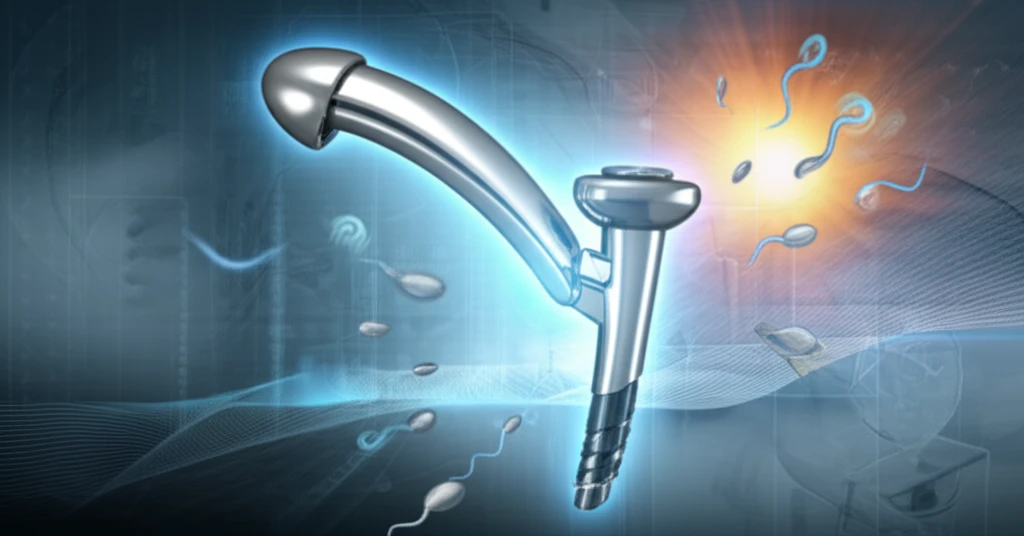
The Ambicor is a two-piece inflatable penile prosthesis designed to provide rigidity for men experiencing erectile dysfunction. Unlike the three-piece IPP, which consists of cylinders, a reservoir, and a pump, the Ambicor combines the cylinders and reservoir into a single unit. The pump is integrated into the scrotum, allowing for easy inflation and deflation.
- Simplified Implantation: The absence of a separate reservoir eliminates the need for blind reservoir placement, potentially reducing the risk of injury to the bladder or blood vessels, especially in patients with previous pelvic surgeries.
- Easier Use: The integrated pump may be easier to manipulate for men with limited manual dexterity, such as those with arthritis or neurological conditions.
- Durability: Some studies suggest that two-piece IPPs may offer better mechanical durability compared to three-piece devices.
Evidence and Clinical Review
Current decisions about penile health should be guided by clinical evidence and an assessment of the individual rather than by general claims alone. Research findings may describe anatomy, symptoms, or treatment outcomes, but those categories do not automatically answer whether a specific intervention is suitable. Patients should discuss the available evidence and its relevance to their circumstances with a qualified clinician.
Limits and Uncertainty
No treatment approach should be assumed to work equally well for every person. Differences in symptoms, urinary or reproductive health, and personal goals can change the balance of potential benefits and limitations. Claims that ignore those differences may oversimplify a decision that requires individualized medical assessment.
Comparing Options
Comparisons among penile-health treatments should consider the condition being treated, the patient's urinary and reproductive health, and the intended sexual function. General descriptions of anatomy do not by themselves establish that one option is superior to another. A meaningful comparison therefore requires patient-specific clinical information and discussion of relevant alternatives.
Is the Ambicor Two-Piece Penile Implant Right for You?
The Ambicor two-piece penile implant offers a viable option for men seeking treatment for erectile dysfunction, particularly those with specific needs or concerns. Its simplified design and potential for improved durability make it an attractive choice for some patients. However, it's crucial to weigh the benefits against the potential drawbacks, such as reduced rigidity and concealment, and to discuss these factors with your healthcare provider.
Putting the Evidence Together
The available background supports viewing penile health as connected to urinary, reproductive, and sexual function. Decisions about treatment should account for all of those dimensions rather than focusing on a single measurement or goal. Expert guidance is most useful when it translates general evidence into an assessment of the individual patient.
Future Directions
Future progress in penile health will likely depend on better evidence about how treatments affect urinary, reproductive, and sexual outcomes together. Research should also distinguish population-level findings from what can be expected for a particular patient. Until stronger evidence is available, treatment choices should remain grounded in careful evaluation and shared clinical decision-making.
The Wider Health Context
Penile conditions can involve more than sexual function because they may also affect the urinary and reproductive systems. This interconnectedness can make diagnosis and treatment more complex than a single symptom suggests. Broader care should therefore address the patient's overall health and concerns rather than treating penile health in isolation.
Patient-Centered Decisions
Because the penis is involved in urination, sexual intercourse, reproduction, and pleasure, penile health concerns can affect several important areas of daily life. Patients may value these functions differently, so treatment decisions cannot be based solely on general measurements or abstract outcomes. A patient-centered discussion should acknowledge individual priorities, symptoms, and expectations.